
FSWeekend 2026 marked an important moment for us.
Not just because it was our first time showing the Boeing 787-9 Dreamliner publicly under the Vector banner, but because it was the first time we stepped forward and said clearly - this is what we’re building, and this is how we’re building it.
For many of you, this was your first real look at the aircraft beyond a static announcement. For us, it was a chance to show something that matters more than polished screenshots, real progress.
At FSWeekend, we made a deliberate choice.
We didn’t wait for everything to be finished. We didn’t hide behind carefully curated renders. We showed the aircraft as it is today.
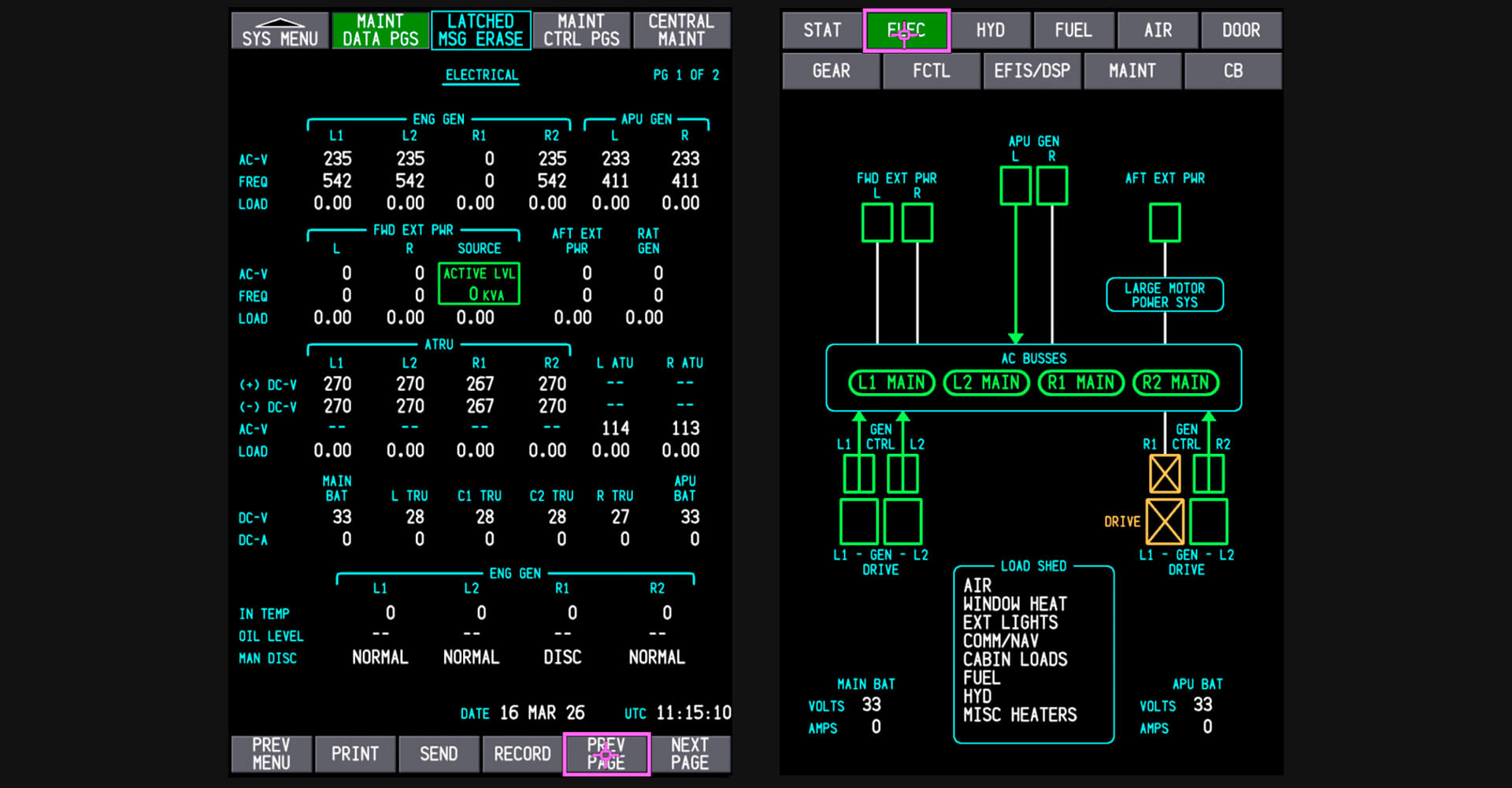
That meant exposing real systems; including early electrical synoptics, maintenance pages, and interactive elements that demonstrate how the aircraft behaves, not just how it looks.
Because for us, fidelity isn’t about surface-level detail. It’s about how the aircraft thinks, how it responds, and how it connects as a complete system.
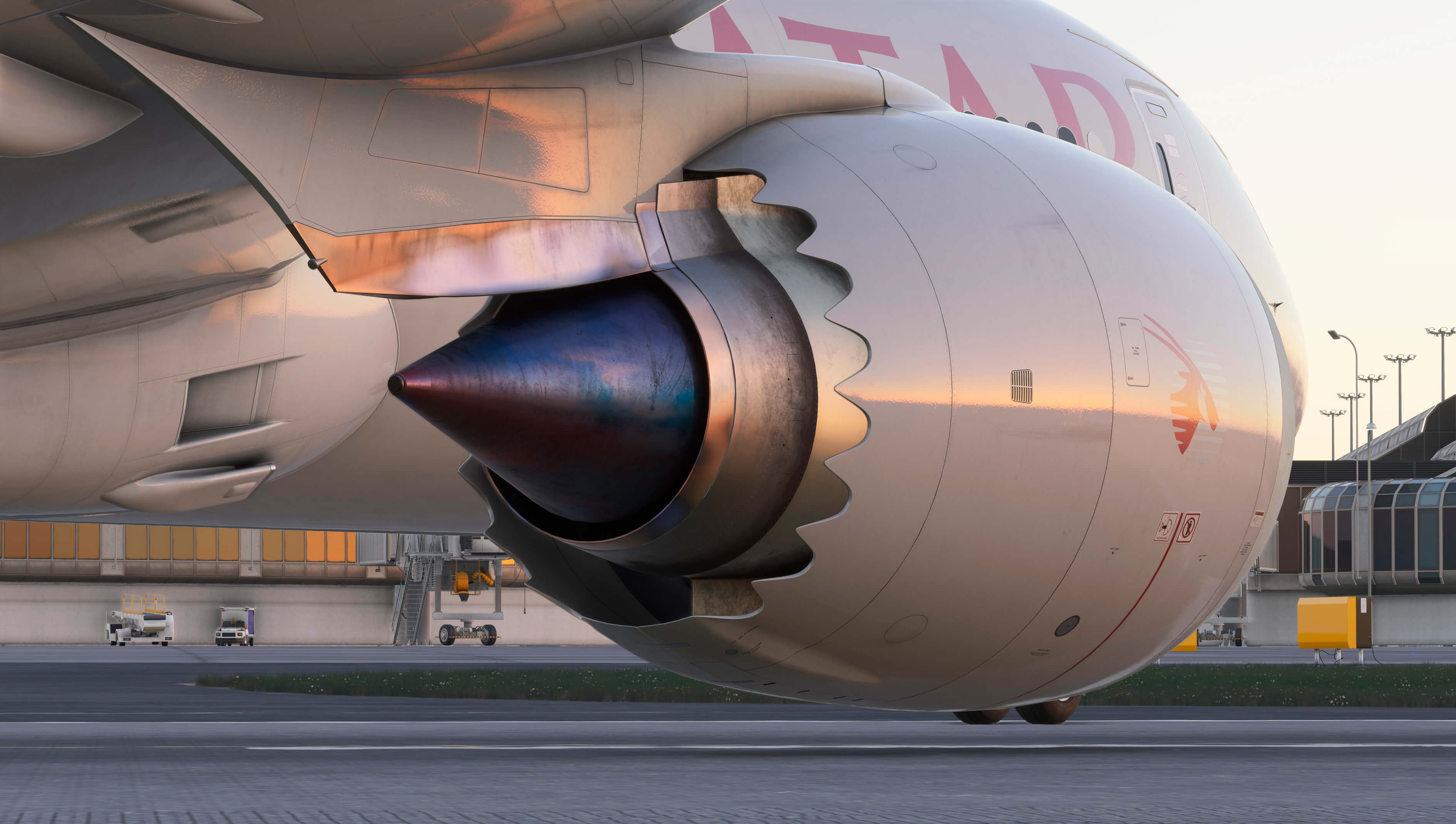
While systems remain a core focus, the aircraft is advancing visually in parallel. From refined engine detailing to electronically dimmable windows and confident exterior shaping, the aircraft is steadily coming together inside and out.
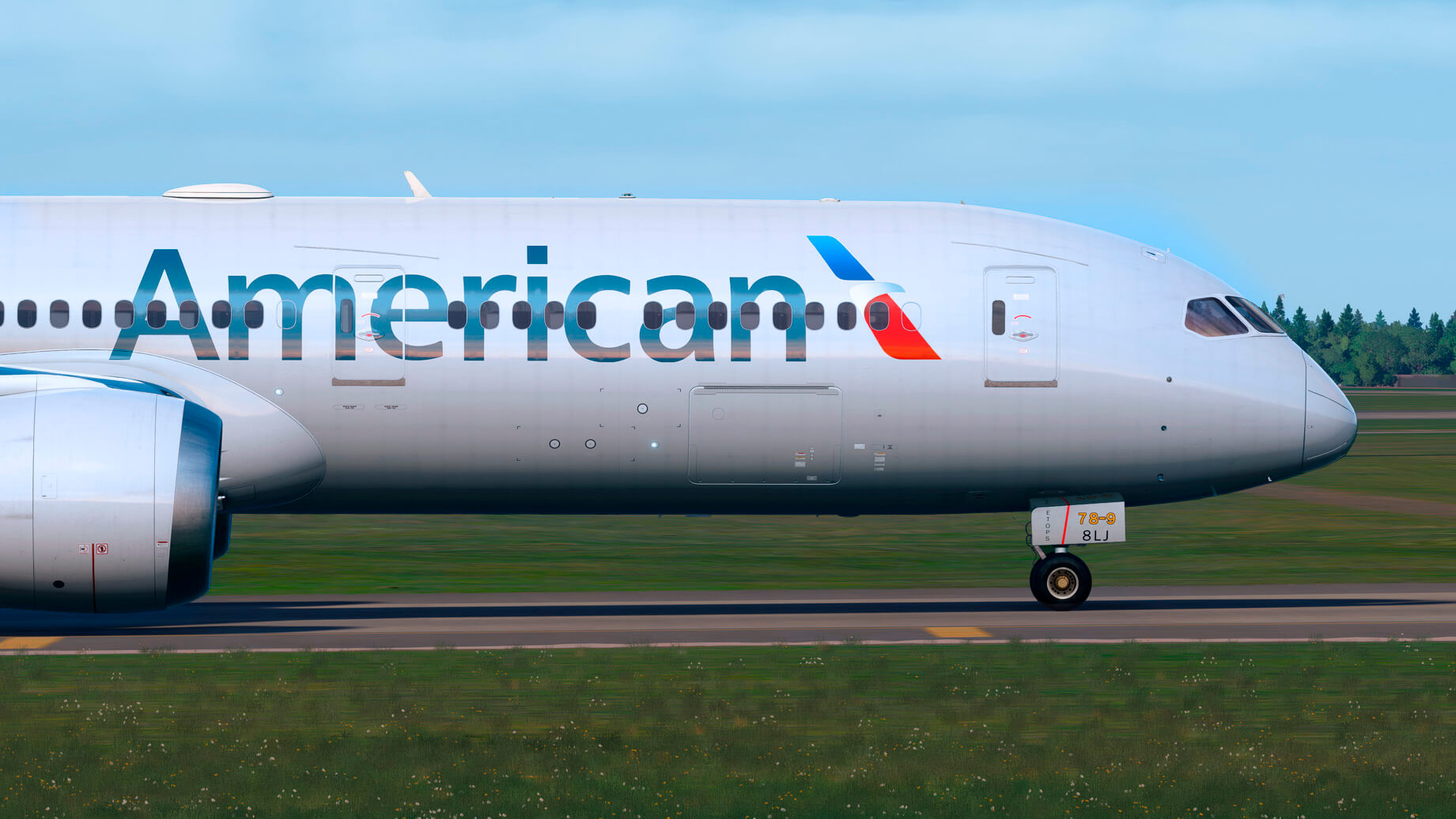

Built by People Who Fly It
This project isn’t being developed in isolation.
We’re working closely with real-world pilots and maintainers of the Boeing 787 Dreamliner to ensure that what we build reflects operational reality, not just documentation.
That collaboration shapes everything, from system behaviour and workflows to the small details that only come from experience working on and flying the aircraft.
Building on the electrical synoptic page we shared previously, these additional views expand on the same scenario, offering a clearer picture of how systems interact across the aircraft. What you’re seeing here is not isolated functionality, but the early structure of a connected system environment.
Alongside this, there are glimpses of deeper interaction throughout the aircraft. You’ll spot TCP elements, a live SATCOM call in progress, weather radar configuration options, and CDU routing - small moments individually, but together they begin to show how everything ties into a cohesive whole.
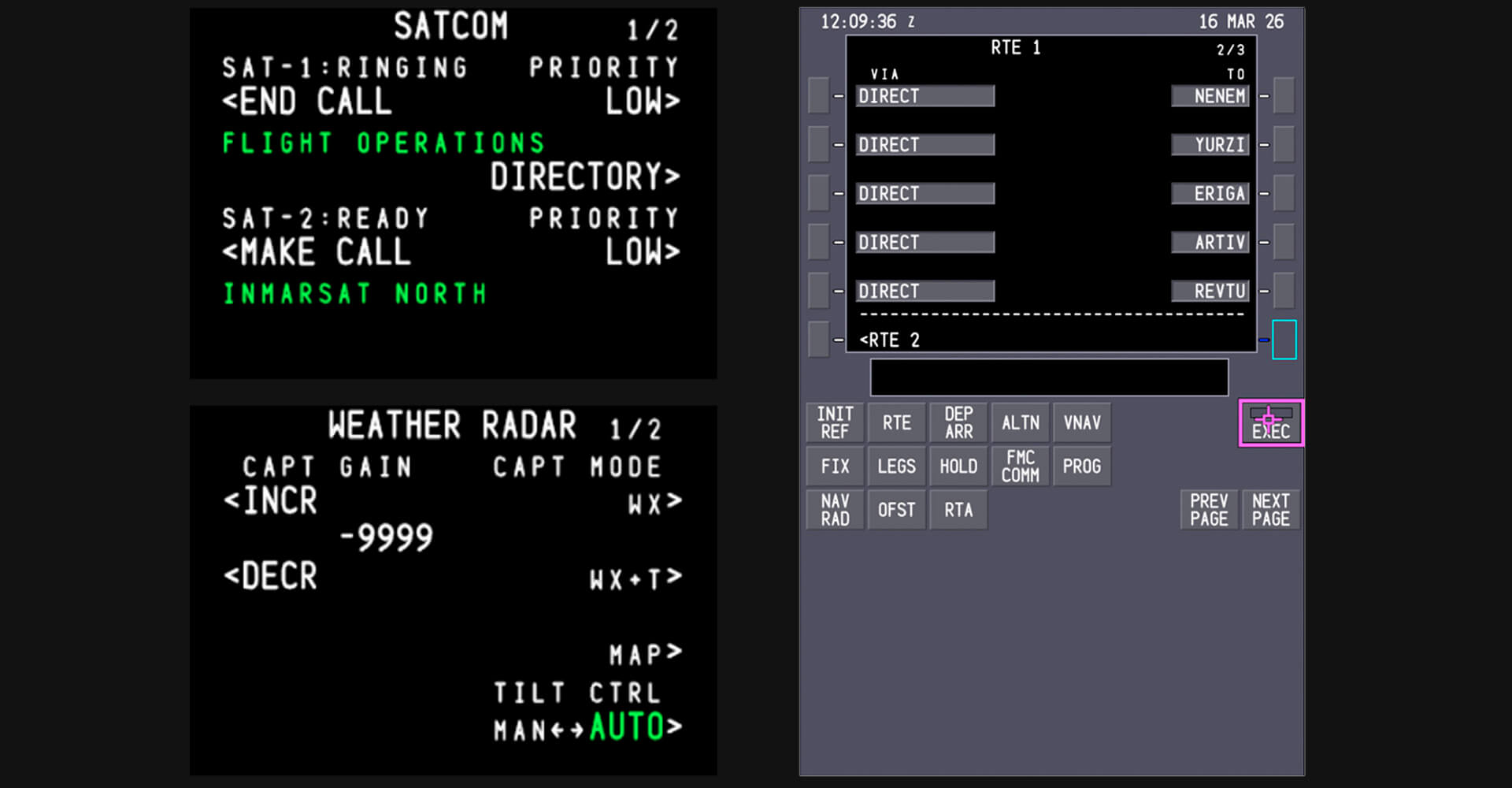
As always, some of the data shown is work-in-progress and subject to change. What matters is not just what is visible today, but the direction it represents.
Schematic-Level, Beyond “Study-Level”
During the presentation, we used a term that’s already started to resonate with the community “schematic level”.
For us, that means building toward what we describe as schematic-level fidelity.
Not just replicating procedures, but modelling the relationships between systems in a way that reflects the real aircraft. When something changes, you see the impact cascade across the aircraft just as it should.
This is where the depth lives. And it’s where we’re investing heavily.
We showcased electrical synoptics and maintenance pages, demonstrating how the aircraft behaves under different conditions. These weren’t static screens. They were live, reactive systems, showing real cause and effect across the aircraft.
Failures, reconfigurations, and system dependencies were all part of the screen. When something changes, the aircraft responds, not in isolation, but across the entire network.
Looking Ahead
What we shared at FSWeekend and in this update is only a snapshot.
Over the coming months, we’ll continue expanding on this through our Snapshot series, giving you regular insight into both systems development and visual progress as the aircraft moves forward.
This is where the depth begins to reveal itself.
Missed the Presentation?
If you missed the live presentation, you can watch it here: https://youtu.be/uKt7Xr-jbaM